Blogs
We share with you the latest industry trends, try to solve all your questions about flexible packaging machines and printing machines as well. Read our blogs to keep abreast of what’s new in the industry and in Zonbon.

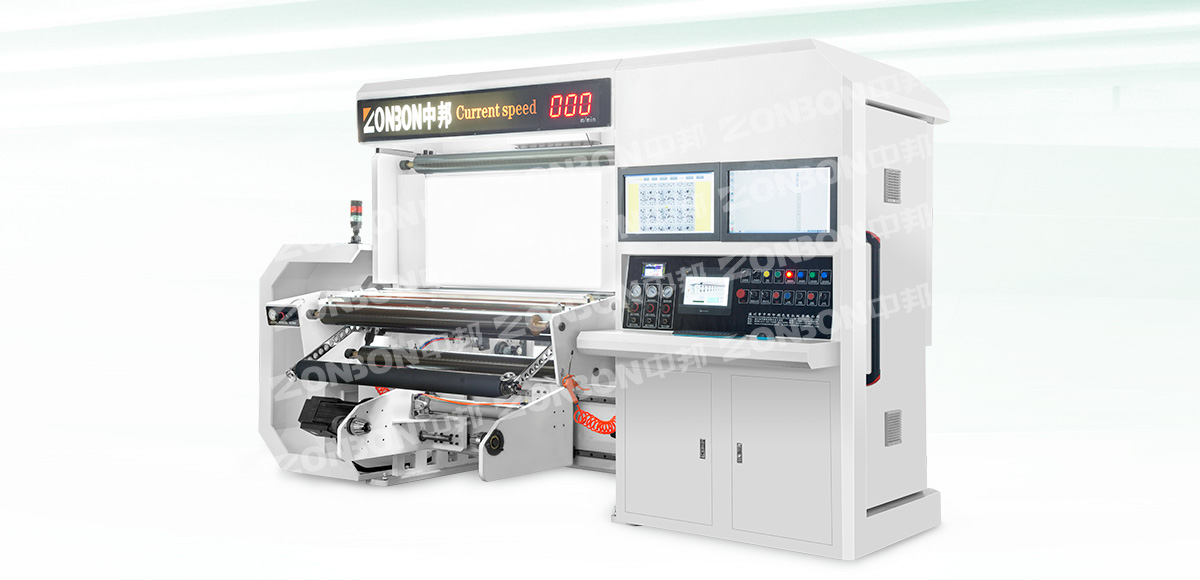
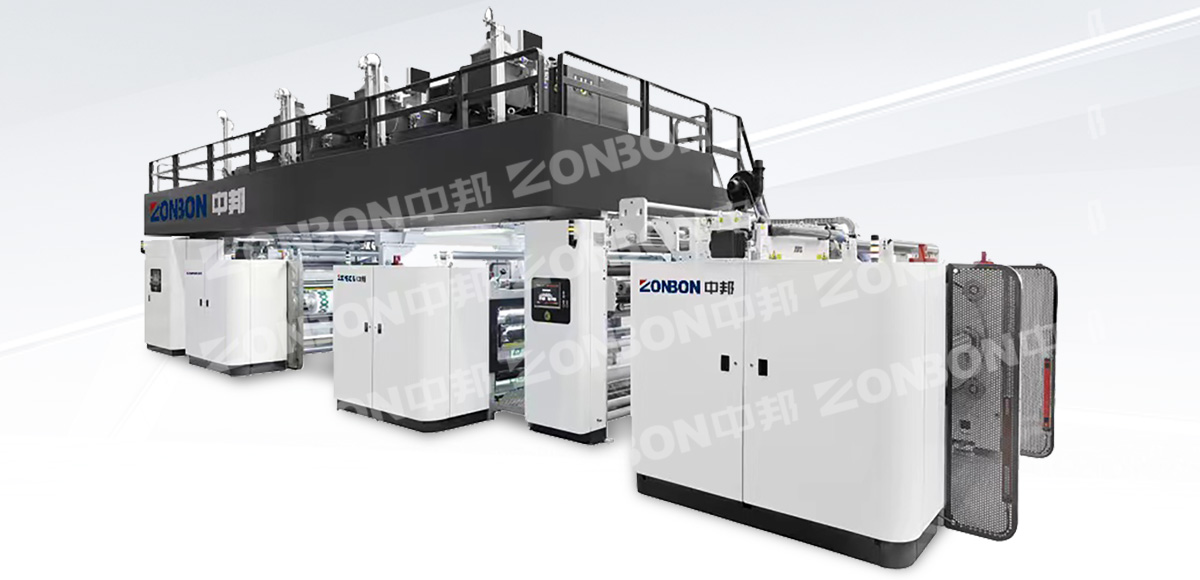
In the packaging and flexible materials industry, lamination is a critical process that enhances the durability, barrier properties, and aesthetic appeal of films, foils, and papers. Among various lamination techniques, dry lamination stands out as a widely used method for bonding multiple layers of substrates using adhesives. A dry lamination machine is a specialized piece of equipment designed to execute this process efficiently and precisely.
This article explores the fundamentals of dry lamination machines, their working principles, key components, applications, and advantages, with insights from ZONBON Machinery, a leading manufacturer of high-performance lamination solutions.
Dry lamination is a process where two or more flexible substrates (such as plastic films, aluminum foils, or paper) are bonded using a solvent-based or solvent-free adhesive. Unlike wet lamination, which applies liquid adhesives that require drying, dry lamination involves applying a pre-dried adhesive layer before pressing the materials together.
Adhesive Application: A thin adhesive layer is coated onto one substrate and dried before lamination.
No Solvent Residue: Since the solvent evaporates during drying, the final product is free from residual chemicals.
High Bond Strength: Provides excellent adhesion between dissimilar materials.
Versatility: Suitable for a wide range of substrates, including PET, BOPP, CPP, aluminum foil, and paper.
A dry lamination machine automates the bonding process with precision. The typical workflow includes:
Two substrate rolls (primary and secondary) are loaded onto unwinders.
Tension control systems ensure smooth material feeding.
A gravure roller or reverse roller coating system applies a uniform adhesive layer onto the primary substrate.
Common adhesives include polyurethane (PU) or acrylic-based adhesives.
The coated substrate passes through a drying oven (heated with hot air or infrared systems).
Solvents evaporate, leaving a dry, tacky adhesive layer.
The dried adhesive-coated substrate is pressed against the secondary substrate using a heated nip roller.
Pressure and temperature ensure strong bonding.
The laminated material cools on a chill roller to stabilize the bond.
Finally, the product is rewound into rolls for further processing.
Component | Function |
Unwinders | Holds and feeds substrate rolls with tension control. |
Coating Unit | Applies adhesive uniformly (gravure/reverse roll). |
Drying Oven | Removes solvents from the adhesive. |
Lamination Nip Roller | Bonds substrates under heat and pressure. |
Chill Roller | Cools the laminated film to set the adhesive. |
Rewinder | Collects the finished laminated roll. |
Control System | Ensures precision in speed, tension, and temperature. |
Dry lamination is widely used in industries requiring high-performance composite materials:
Food packaging (snacks, coffee, frozen foods)
Pharmaceutical blister packs
Stand-up pouches and retort packaging
Barrier films for electronics
Solar panel backsheets
Insulation materials
High-gloss labels
Synthetic leather laminates
Automotive interior films
✔ Superior Bond Strength – Ensures durable, delamination-resistant products.
✔ Solvent-Free Options – Eco-friendly adhesives reduce VOC emissions.
✔ High Production Speed – Automated systems enable large-scale manufacturing.
✔ Versatile Material Compatibility – Bonds plastics, foils, and papers effectively.
✔ Enhanced Barrier Properties – Improves moisture, oxygen, and UV resistance.
As a trusted manufacturer, ZONBON Machinery delivers advanced dry lamination machines with:
Precision coating systems for uniform adhesive distribution.
Energy-efficient drying ovens with optimized airflow.
PLC-controlled automation for consistent quality.
Customizable configurations for diverse industry needs.
Whether for food packaging, medical films, or industrial laminates, ZONBON’s machines ensure high efficiency, reliability, and low operational costs.
Dry lamination machines play a pivotal role in producing high-quality laminated materials for packaging, industrial, and decorative applications. By leveraging advanced adhesive technologies and precision engineering, these machines deliver superior performance, durability, and efficiency.
For businesses seeking high-performance dry lamination solutions, ZONBON Machinery offers cutting-edge equipment tailored to modern manufacturing demands.
Contact ZONBON today to explore the best dry lamination solutions for your production needs!
pre: -
next: -
Zonbon, The Most Professional Flexible Printing and Packaging Converting Machines Manufacturer Around You.
© 2011-2025 Zonbon Printing & Packaging Machinery Co., Ltd. All Rights Reserved