Blogs
We share with you the latest industry trends, try to solve all your questions about flexible packaging machines and printing machines as well. Read our blogs to keep abreast of what’s new in the industry and in Zonbon.
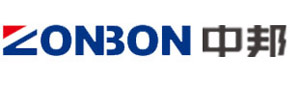
In the dynamic world of packaging and label printing, flexographic printing has emerged as a dominant technology due to its versatility, efficiency, and cost-effectiveness. Among the various configurations of flexo presses, the stacked flexographic printing machine stands out for its unique design and operational advantages. This article delves into the structure, working principles, applications, and benefits of stacked flexo presses, with insights from ZONBON中邦机械, a leader in advanced printing machinery.
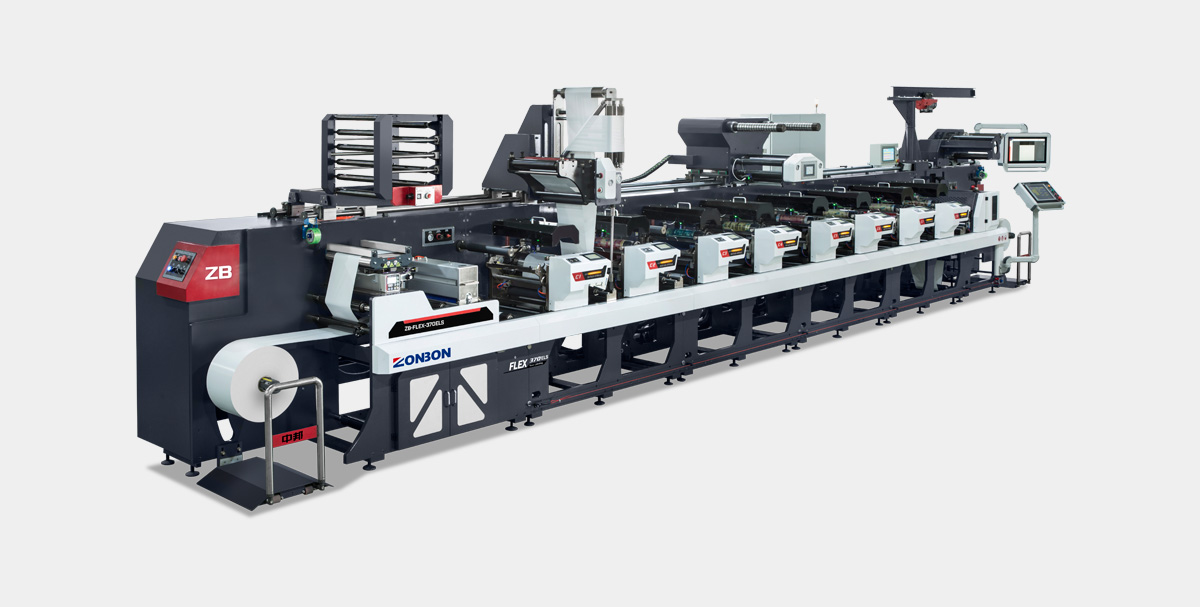
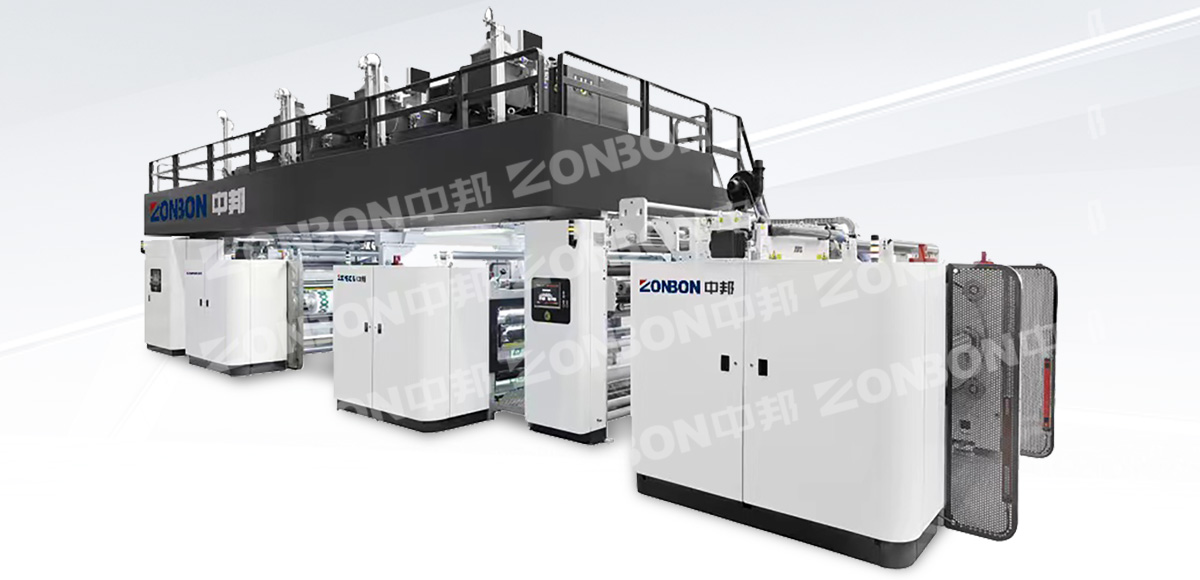
A stacked flexographic printing machine is a type of flexo press where the printing units are arranged vertically (stacked) on top of each other. Unlike inline or central impression (CI) flexo presses, stacked machines feature independent print stations mounted in a vertical tower configuration.
Printing Units: Each unit consists of an anilox roller, plate cylinder, and impression cylinder, stacked vertically.
Substrate Path: The web moves upward or downward through each printing station.
Drying Systems: Interstation dryers ensure quick ink curing between colors.
Unwind & Rewind Systems: Precision tension control for smooth material handling.
Control Panel: Advanced automation for register control, ink viscosity, and speed adjustment.
The stacked flexo printing process involves:
1.Unwinding: The substrate (film, paper, or foil) is fed into the press.
2.Printing: Each stacked unit applies a single color, with the web passing sequentially through multiple stations.
3.Drying: UV, hot air, or infrared dryers cure the ink between print layers.
4.Finishing: Optional coating, laminating, or die-cutting modules may be integrated.
5.Rewinding: The printed material is collected for further processing.
Advantage: The vertical design saves floor space while maintaining high print quality.
Stacked flexo presses are widely used in:
Flexible Packaging: Food pouches, shrink sleeves, and stand-up bags.
Labels & Tags: Pressure-sensitive labels, wraparound labels.
Corrugated Printing: Pre-print and post-print for boxes.
Folding Cartons: Pharmaceutical and cosmetic packaging.
ZONBON machinery’s stacked presses excel in high-speed, multi-color printing for these industries.
1.Space Efficiency: Vertical arrangement reduces the machine footprint.
2.Scalability: Easy to add or remove print units for job flexibility.
3.Cost-Effective: Lower initial investment compared to CI flexo presses.
4.High-Speed Production: Capable of speeds up to 600+ meters/minute.
5.Precision Registration: Advanced servo-driven systems ensure accurate color alignment.
As a pioneer in printing machinery, ZONBON machinery integrates cutting-edge features into its stacked flexo presses:
Smart Automation: AI-driven color matching and defect detection.
Energy Efficiency: Low-consumption LED UV drying systems.
Modular Design: Quick-change sleeves and tool-less adjustments for minimal downtime.
Eco-Friendly Solutions: Water-based and solvent-free ink compatibility.
Feature | Stacked Flexo | Inline Flexo | CI Flexo |
Layout | Vertical | Horizontal | Drum-Based |
Footprint | Compact | Large | Moderate |
Setup Time | Moderate | Fast | Slow |
Print Quality | High | High | Very High |
Cost | Mid-Range | Low | High |
Best For: Stacked presses are ideal for medium-to-long runs requiring multi-color prints without space constraints.
Digital Hybrid Systems: Combining flexo with inkjet for variable data.
Sustainable Practices: Biodegradable inks and recyclable substrates.
IoT Integration: Real-time monitoring via cloud-based platforms.
ZONBON machinery continues to lead innovation with R&D focused on speed, sustainability, and smart manufacturing.
The stacked flexographic printing machine is a robust solution for packaging and label producers seeking efficiency, flexibility, and consistent print quality. With advancements from manufacturers like ZONBON machinery, these presses are evolving to meet the demands of modern industries while prioritizing sustainability and automation.
For businesses investing in flexo technology, understanding the stacked press’s capabilities ensures a competitive edge in the fast-paced printing market.
pre: -
next: -
Zonbon, The Most Professional Flexible Printing and Packaging Converting Machines Manufacturer Around You.
© 2011-2025 Zonbon Printing & Packaging Machinery Co., Ltd. All Rights Reserved