Blogs
We share with you the latest industry trends, try to solve all your questions about flexible packaging machines and printing machines as well. Read our blogs to keep abreast of what’s new in the industry and in Zonbon.
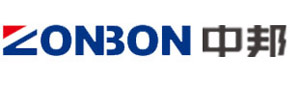
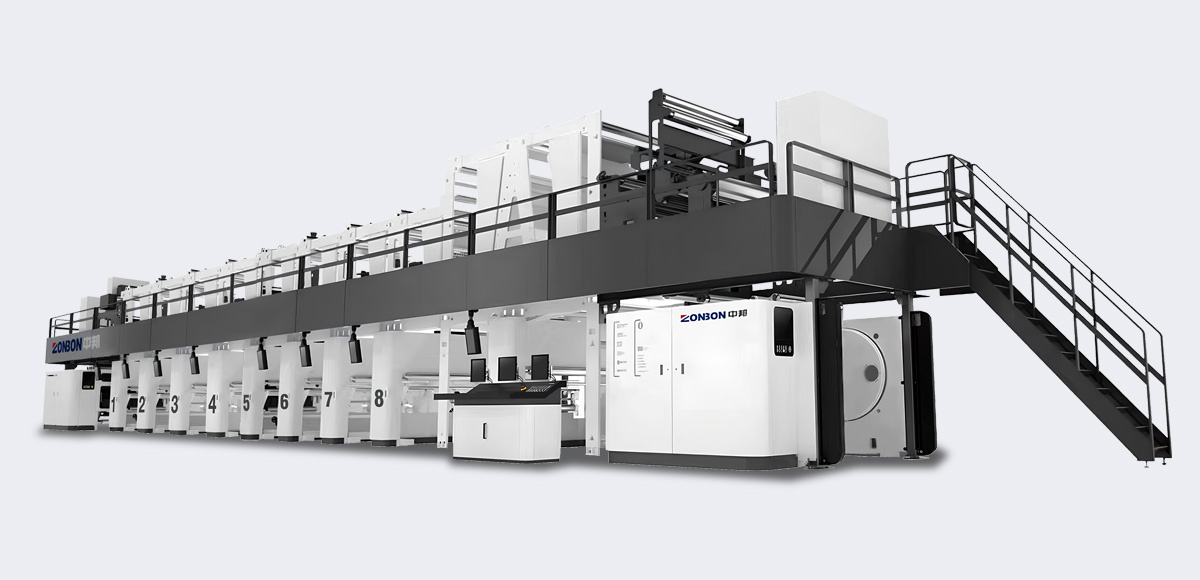
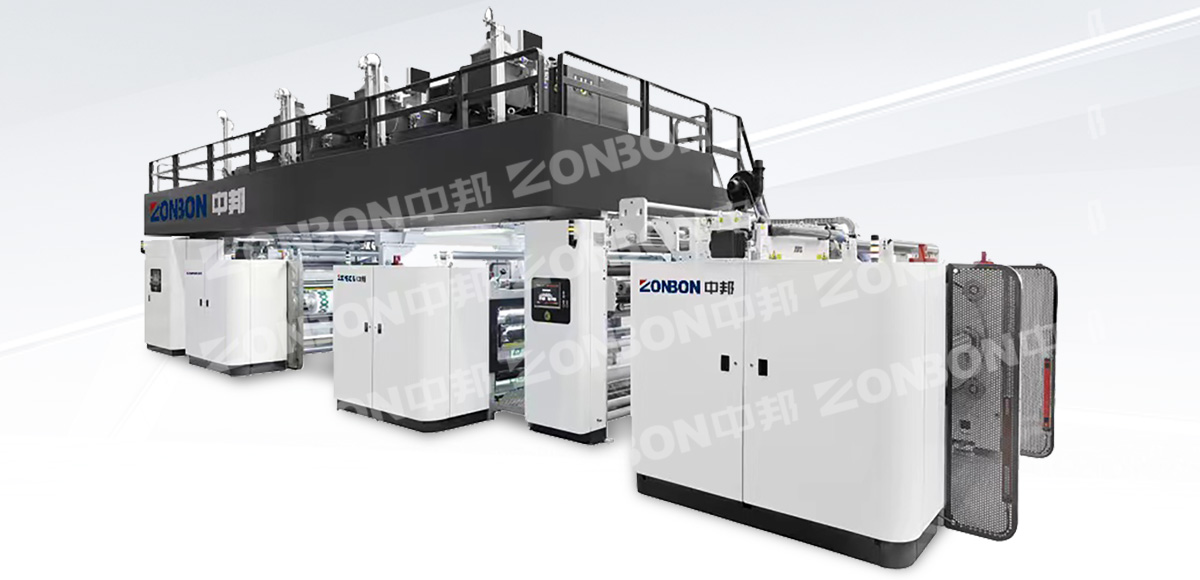
In the modern packaging and printing industry, precision, efficiency, and consistency are paramount. Among the various printing technologies available, gravure printing stands out for its ability to deliver high-quality, long-run prints with exceptional detail and durability. At the forefront of this technology is the Electronic Shaft Gravure Printing Machine, an advanced solution that combines mechanical precision with electronic synchronization for superior performance.
As a leading innovator in printing machinery, ZONBON machinery specializes in the design and manufacturing of high-performance gravure printing systems. This article provides an in-depth exploration of electronic shaft gravure printing machines, their working principles, key advantages, and applications across industries.
Gravure printing, also known as rotogravure, is an intaglio printing process where images are engraved onto a cylinder. The recessed cells on the cylinder hold ink, which is then transferred onto the substrate (such as film, paper, or foil) under pressure. This method is widely used for high-volume printing due to its ability to produce sharp, consistent, and vibrant prints.
Traditional gravure printing machines rely on mechanical gear systems to synchronize multiple printing units. While effective, these systems have limitations in terms of flexibility, speed, and registration accuracy.
In contrast, electronic shaft gravure printing machines eliminate mechanical linkages by using servo motors controlled by a central electronic system. This innovation enhances precision, reduces mechanical wear, and allows for dynamic adjustments during operation.
An electronic shaft gravure printing machine consists of the following key components:
Engraved Cylinder: The primary printing element with etched cells that hold ink.
Doctor Blade: Removes excess ink from the cylinder surface, leaving ink only in the recessed cells.
Impression Roller: Presses the substrate against the cylinder for ink transfer.
Servo-Driven Printing Units: Each unit is independently controlled by servo motors synchronized via an electronic shaft system.
Central Control System: A high-precision controller (often PLC-based) ensures perfect registration and speed coordination.
The electronic shaft system replaces traditional mechanical gear trains with digitally synchronized servo motors. Key features include:
Precise Registration: Real-time adjustments eliminate misalignment, even at high speeds.
Dynamic Tension Control: Ensures smooth substrate handling and minimizes waste.
Quick Changeover: Different print jobs can be set up rapidly without mechanical adjustments.
Ink Application: The engraved cylinder rotates through an ink pan, filling the cells with ink.
Excess Ink Removal: The doctor blade scrapes off surplus ink.
Substrate Contact: The substrate passes between the cylinder and impression roller, transferring the ink.
Drying/Curing: UV or hot air drying ensures fast setting of the ink.
Repeat for Multi-Color Printing: Additional units apply subsequent colors with perfect registration.
Higher Resolution: Electronic synchronization ensures sharper images and finer details.
Consistent Color Matching: Precise ink transfer reduces variations between batches.
Faster Speeds: Capable of running at 300-600 m/min with minimal downtime.
Reduced Waste: Electronic adjustments minimize setup errors and material loss.
Easier Job Switching: No need for mechanical gear changes; settings are stored digitally.
Wider Substrate Compatibility: Handles films, foils, paper, and laminates with ease.
Reduced Mechanical Wear: Fewer moving parts decrease long-term servicing needs.
Energy Efficiency: Servo motors optimize power consumption compared to traditional drives.
Due to its superior performance, electronic shaft gravure printing is widely used in:
Flexible Packaging: Food, pharmaceutical, and consumer goods packaging.
Label Printing: High-end product labels with intricate designs.
Decorative Films: Wallpapers, laminates, and automotive wraps.
Security Printing: Banknotes, certificates, and anti-counterfeit labels.
As a trusted manufacturer of printing machinery, ZONBON machinery offers cutting-edge electronic shaft gravure printing machines with:
✔ Advanced servo control systems for flawless registration.
✔ Customizable configurations to meet diverse production needs.
✔ Robust construction for long-term reliability.
✔ Comprehensive technical support for seamless integration.
The electronic shaft gravure printing machine represents a significant leap in printing technology, combining the durability of gravure with the precision of electronic synchronization. For industries demanding high-speed, high-quality printing, this system delivers unmatched efficiency and flexibility.
ZONBON machinery continues to lead innovation in this field, providing state-of-the-art printing solutions tailored to modern manufacturing demands. For more information on our gravure printing machines, contact our expert team today.
pre: -
next: -
Zonbon, The Most Professional Flexible Printing and Packaging Converting Machines Manufacturer Around You.
© 2011-2025 Zonbon Printing & Packaging Machinery Co., Ltd. All Rights Reserved