Blogs
We share with you the latest industry trends, try to solve all your questions about flexible packaging machines and printing machines as well. Read our blogs to keep abreast of what’s new in the industry and in Zonbon.
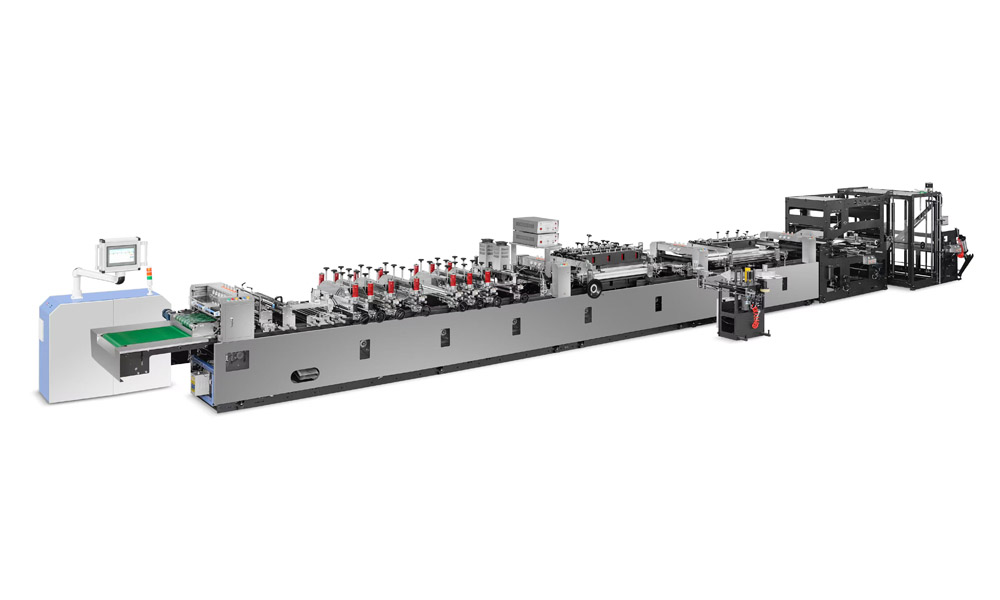
In industries such as packaging, printing, and textiles, lamination technology is one of the key processes for enhancing material performance. Based on different bonding methods and process characteristics, laminating machines are mainly divided into four types: dry laminators, solvent-free laminators, extrusion laminators, and hot melt laminators. Each type possesses unique advantages in specific application fields to meet the demands of different industries for efficient, environmentally friendly, and high-strength material lamination.
As a professional manufacturer in the field of laminating equipment, ZONBON Zhongbang Machinery is committed to providing customers with high-performance, high-stability laminating equipment solutions. This article will provide a detailed analysis of the core characteristics, applicable fields, and technical advantages of the four major laminating machine types, helping users accurately select the most suitable lamination process.
1.1 Working Principle
Dry laminators use solvent-based adhesives (such as polyurethane adhesive) to laminate multiple layers of materials through steps like coating, drying, and pressing. The coated substrate passes through an oven to evaporate the solvent and is then bonded with another layer of material under the action of a hot press roller.
1.2 Main Application Fields
Food packaging (e.g., aluminum foil/plastic composite films, retort pouches)
Pharmaceutical packaging (e.g., blister packs, moisture-proof barrier films)
Electronics packaging (e.g., anti-static, electromagnetic shielding materials)
Industrial materials (e.g., construction waterproofing membranes, automotive interiors)
1.3 Core Advantages
✔ High lamination strength: Suitable for high-barrier packaging materials with demanding requirements.
✔ Wide applicability: Can laminate various substrates (PET, BOPP, aluminum foil, paper, etc.).
✔ Mature process: Technologically stable and widely accepted in the market.
1.4 Limitations
✖ Risk of solvent residue: Requires strict control of the drying process to avoid compromising food and pharmaceutical safety.
✖ High environmental costs: Solvent recovery or treatment increases operational costs.
2.1 Working Principle
Solvent-free laminators use 100% solid-content polyurethane adhesives. After precise metering and mixing, the adhesive is directly coated. No drying is required; curing is achieved through a chemical reaction.
2.2 Main Application Fields
Flexible packaging (e.g., snack bags, liquid packaging films)
Label materials (e.g., self-adhesive labels, specialty labels)
Eco-friendly packaging (e.g., lamination of biodegradable materials)
2.3 Core Advantages
✔ Zero solvent emissions: Complies with environmental regulations such as EU REACH and FDA.
✔ Low energy consumption: No drying required, saving over 30% energy.
✔ High production efficiency: Fast curing speed, suitable for mass production.
2.4 Limitations
✖ Higher initial investment: Adhesive cost is higher than solvent-based types.
✖ Slightly weaker substrate adaptability: Lamination strength for certain special materials (e.g., aluminum foil) is slightly inferior to dry lamination.
3.1 Working Principle
Extrusion laminators apply molten thermoplastic resin (e.g., PE, PP, EVA) onto a substrate via an extruder, which is then pressed with another layer of material to form a high-strength composite.
3.2 Main Application Fields
Heavy-duty packaging (e.g., cement bags, fertilizer bags)
Construction waterproofing materials (e.g., TPO waterproofing membranes)
Industrial composites (e.g., automotive sound insulation cotton, geome mbranes)
3.3 Core Advantages
✔ High-strength lamination: Direct bonding via the resin layer results in high peel strength.
✔ Low cost: No adhesive required; resin raw materials are inexpensive.
✔ Capable of multi-layer lamination: Can form multi-layer structures in one pass (e.g., paper/PE/aluminum foil).
3.4 Limitations
✖ High process temperature requirements: Requires precise control of extrusion temperature to avoid material deformation.
✖ Lower flexibility: Material changeover and cleaning are complex; suitable for large-scale production of single product types.
4.1 Working Principle
Hot melt laminators heat solid adhesives (e.g., EVA, PUR) to a molten state. After coating, the material is immediately pressed with another layer and rapidly solidifies upon cooling.
4.2 Main Application Fields
Hygiene materials (e.g., diapers, medical non-woven fabrics)
Footwear manufacturing (e.g., sports shoe upper lamination)
Furniture decoration (e.g., leather/PVC bonding)
4.3 Core Advantages
✔ Instant bonding: No drying or curing wait time, resulting in extremely high production efficiency.
✔ Solvent-free and environmentally friendly: Aligns with green manufacturing trends.
✔ Flexible production: Suitable for small-batch, multi-variety orders.
4.4 Limitations
✖ Limited temperature resistance: May debond in high-temperature environments.
✖ High requirements for adhesive layer thickness control: Excessive thickness can affect material softness.
Model | Applicable Materials | Environmental Friendliness | Lamination Strength | Production Efficiency | Typical Industries |
Dry Laminator | Plastic/Aluminum Foil/Paper | Medium | High | Medium | Food, Pharmaceutical Packaging |
Solvent-free Laminator | Plastic/Film/Non-woven | High | Medium-High | High | Flexible,Labels Packaging, |
Extrusion Laminator | Plastic/Paper/Metal Foil | High | Very High | High | Heavy-duty Packaging, Construction Materials |
Hot Melt Laminator | Non-woven/Fabric/Leather | High | Medium | Very High | Hygiene Products, Footwear Materials |
Selection Recommendations:
Pursue high barrier properties → Dry Laminator
Focus on environmental compliance → Solvent-free Laminator
Require high strength and low cost → Extrusion Laminator
Small-batch rapid production → Hot Melt Laminator
The choice of lamination technology directly impacts product performance, cost, and market competitiveness. Leveraging years of technical expertise, ZONBON Zhongbang Machinery provides customers with a full range of laminating equipment and customized solutions, helping enterprises achieve efficient and environmentally friendly lamination processes. For further details on technical parameters or application cases for each model, please feel free to contact our professional team!
ZONBON Zhongbang Machinery – Focused on Lamination Technology, Intelligently Crafting Exceptional Quality!
pre: -
next: -
Zonbon, The Most Professional Flexible Printing and Packaging Converting Machines Manufacturer Around You.
© 2011-2025 Zonbon Printing & Packaging Machinery Co., Ltd. All Rights Reserved