Blogs
We share with you the latest industry trends, try to solve all your questions about flexible packaging machines and printing machines as well. Read our blogs to keep abreast of what’s new in the industry and in Zonbon.

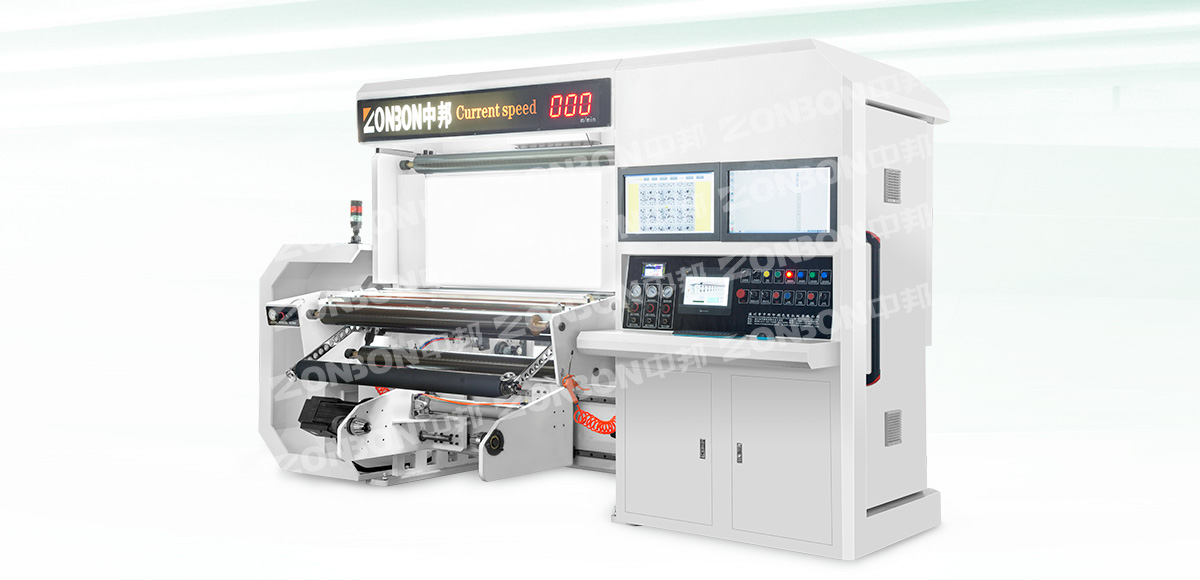
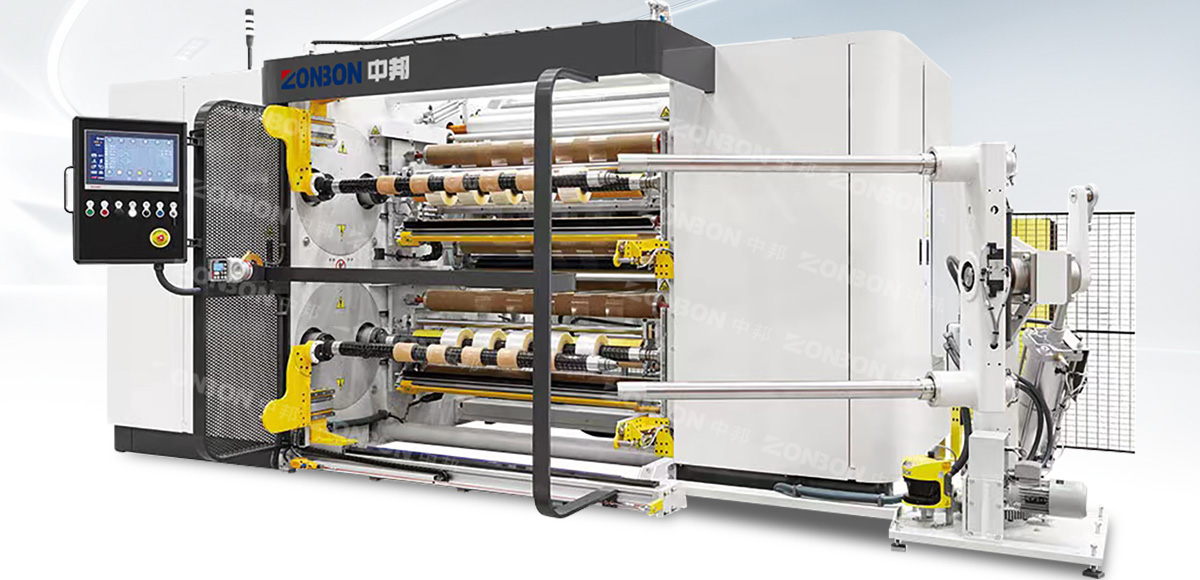
Within the precise chain of modern industrial production, the slitting machine, as a fundamental and critical processing equipment, utilizes its efficient and accurate cutting technology to slit wide-width roll materials into narrow rolls of specific widths, laying a solid foundation for downstream processes. Its application scope is so broad that it permeates almost all fields involving roll material processing. The ZONBON technical team now presents a systematic overview of the core application scenarios of slitting machines, detailing the 6 major industries and 20 key fields they drive.
This industry represents the most traditional and widely applied core domain for slitting machines, demanding extremely high standards for slitting precision, efficiency, and surface protection.
1.Film Manufacturing: Encompasses slitting various plastic films like BOPP, BOPET, CPP, PE, PVC, ensuring uniform raw material specifications for subsequent processes like bag making and laminating.
2.Paper Processing: Includes slitting art paper, white cardstock, specialty papers, etc., providing paper rolls of required widths for printing, notebook manufacturing, food packaging, etc.
3.Flexible Packaging Laminating: Precisely slitting laminated multi-layer materials (e.g., aluminum-plastic composites, paper-plastic composites), a key step in producing food bags and pharmaceutical packaging.
4.Self-Adhesive Label: Slitting large master rolls into narrow rolls suitable for automatic labeling machines, requiring extremely high precision to avoid adhesive overflow or backing paper damage.
5.Specialty Materials: Slitting new materials like non-woven fabrics, Mylar sheets, conductive foam, etc., meeting the growing demands of emerging applications.
With the rapid development of the new energy industry, the role of slitting machines has become increasingly critical, directly impacting the safety and performance of battery products.
6.Lithium-ion Battery Electrode Manufacturing: A high-tech barrier application. Slitters are used for slitting coated positive and negative electrode sheets; cleanliness and burr-free cutting technology are crucial for preventing battery short circuits.
7.Separator Slitting: Ultra-precise slitting of lithium battery separators (PE/PP/ceramic membranes), requiring dust-free and tear-free operation to ensure separator integrity and consistency.
8.Capacitor Film: Slitting core dielectric materials for capacitors, such as metallized film, demanding extremely high edge smoothness.
9.Insulating Materials: Slitting materials like mica tape, insulating paper, PET tape, providing insulation for power equipment like motors and transformers.
This industry imposes top-tier requirements on the cleanliness, precision, and anti-static capabilities of the slitting process.
10.FPC Flexible Circuit Boards: Slitting coverlays, conductive adhesive films, and substrates with micron-level precision to avoid damaging delicate circuits.
11.Electromagnetic Shielding Materials: Slitting shielding materials like conductive fabric, copper foil, aluminum foil, used for EMI/EMC protection in electronic devices.
12.Adhesive Products: High-precision slitting of various high-performance double-sided tapes, thermal conductive tapes, and shock-absorbing foam, applied for internal fixation and heat dissipation in consumer electronics like smartphones and tablets.
Trends towards lightweight and intelligent automotive design have created new application scenarios for slitting technology.
13.Interior and Exterior Materials: Slitting automotive interior leather, synthetic leather, carpeting, as well as exterior color change films and paint protection films (PPF), requiring smooth, mark-free edges.
14.Sealing and Damping Materials: Slitting rubber seals, asphalt damping sheets, sound insulation cotton, etc., to improve vehicle NVH (Noise, Vibration, and Harshness) performance.
15.Logistics Identification: Slitting high-strength strapping, barcode labels, shipping labels, etc., ensuring logistics efficiency and information traceability.
In this field, hygiene standards, material compatibility, and stability of slitting equipment are paramount.
16.Medical Tapes and Dressings: Slitting materials for medical breathable tape, surgical drapes, bandage backings, etc., often requiring dust-free or cleanroom environments.
17.Personal Hygiene Products: Slitting materials used for diapers, sanitary napkins, such as non-woven fabrics, back sheets, superabsorbent polymers, prioritizing high speed and stability.
Slitting technology converts wide-width materials into specifications suitable for end-consumer use, making it an indispensable link in the industrial chain.
18.Home Decoration Materials: Slitting wallpapers, window films, home application films, decorative leather, etc.
19.Composite Building Materials: Slitting building decoration materials like aluminum composite panels, fireproof boards, sheet vinyl flooring, etc.
20.Textiles and Apparel Accessories: Slitting apparel accessories like label ribbons, elastic bands, hook-and-loop fasteners, as well as industrial fabrics and filtration materials.
pre: -
next: -
Zonbon, The Most Professional Flexible Printing and Packaging Converting Machines Manufacturer Around You.
© 2011-2025 Zonbon Printing & Packaging Machinery Co., Ltd. All Rights Reserved