Blogs
We share with you the latest industry trends, try to solve all your questions about flexible packaging machines and printing machines as well. Read our blogs to keep abreast of what’s new in the industry and in Zonbon.

The presence of odors in composite products can lead to cross-contamination of packaged contents, particularly in food, pet care, hygiene products, and pharmaceuticals, causing discomfort for humans (or pets). In severe cases, it may accelerate spoilage or alter the original flavor of the product. As a result, customers are highly sensitive to odors in packaging films (or bags), often rejecting or even scrapping them outright, which causes significant trouble and losses for flexible packaging manufacturers.
Composite films are formed by bonding multiple layers of film with adhesives, making the sources of odor relatively straightforward. Typically, odors arise from the base film, ink solvents, adhesives, or residual solvents:
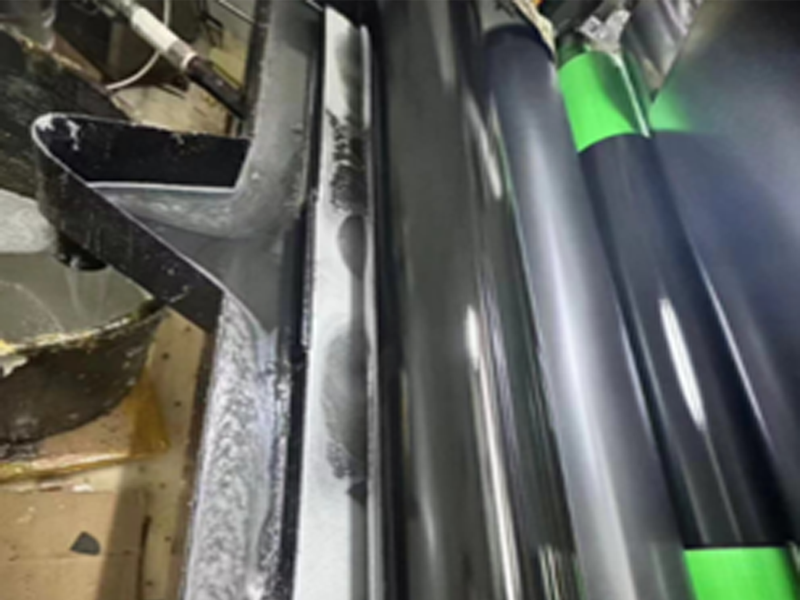
Films are produced by thermally processing plastic resin pellets. During production, in addition to the inherent odors of the resin and additives, oxidation, decomposition, high-voltage corona discharge (generating ozone), and surface oxidation can introduce odors.
Resin Characteristics: The plastic resin itself may have a natural odor, or impurities/instability in the resin may cause decomposition, releasing olefin-based odors.
Additives: Low-boiling-point, highly volatile processing additives, or additives with inherent odors, can transfer odors to the film.
Excessive Processing Temperatures: High temperatures or excessive air gaps during production can oxidize or decompose resin additives, leading to molecular breakdown or additive volatilization.
Overly Intense Corona Treatment: Prolonged exposure to corona discharge (slow production speeds), ozone generation from high-voltage electrodes, or surface oxidation can introduce odors.
Contaminated Storage Environment: Odors from the storage environment can permeate the film.
Extended or Improper Storage: Prolonged storage or exposure to high temperature, humidity, or pressure can degrade resin or additives, releasing odors.
Residual solvents from inks, solvents, or adhesives—due to material selection or inherent properties—can contribute to odors in composite films.
Poor Ink Formulation: Inks containing resins, pigments, additives, or solvents with inherent odors may leave residues after drying.
Imbalanced Solvent Ratios: High-boiling-point solvents that evaporate incompletely can leave residues.
Poor Solvent Release: Unstable ink resins or inefficient solvent release may lead to residues or decomposition odors.
Adhesive Selection Issues: Adhesives with inherent odors or poor solvent release can contribute to odors.
Low-Quality Solvents: Impure or coal-derived solvents may retain odors even after drying, adsorbing into the film.
Incomplete Curing: Unreacted monomers in two-component inks or adhesives may slowly migrate, causing odors.
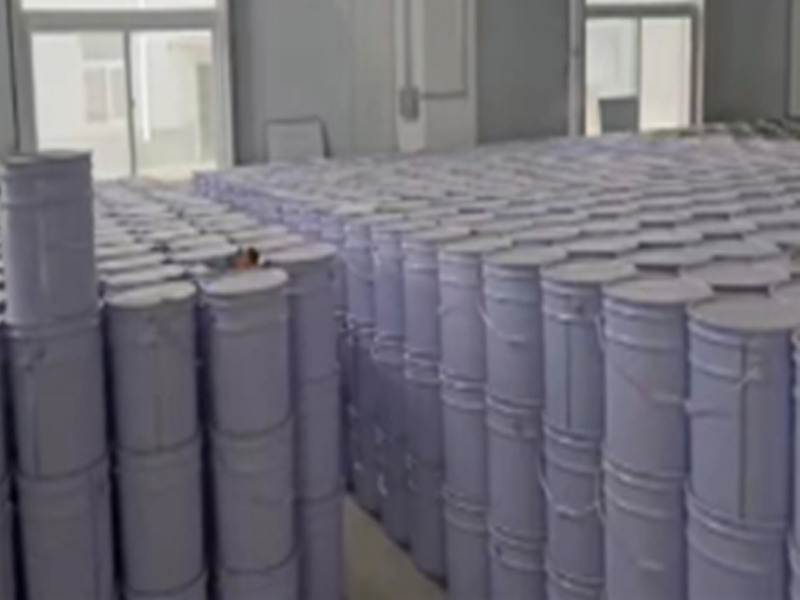
Solvent residues are a common issue in flexible packaging, caused by:
High-Boiling-Point Solvents: Poor solvent ratios, thick ink layers, or inadequate drying can leave residues in printed films, transferring to the composite.
Excessive Lamination Speed or Adhesive Application: High machine speeds, excessive adhesive, solvent absorption by films, or improper drying (surface-dry but inner-wet) can increase residues.
Inadequate Drying Capacity: Poor exhaust systems (especially in air-reduced ovens) can elevate solvent vapor concentrations, leading to residues.
High Humidity or Pressure: Moisture absorption by adhesives slows solvent evaporation, increasing residues.
Environmental Contamination: Poorly ventilated curing rooms or enclosed spaces with high odors/residues can recontaminate film rolls.
Solutions for Odor Reduction and Control
Understanding odor sources enables targeted mitigation, primarily through material selection and process control:

A. Film-Source Odor Control
Use stable, low-odor resins and additives.
Optimize processing temperatures/pressures to avoid resin oxidation/decomposition.
Precisely control corona treatment and exhaust ozone promptly.
Implement strict supplier QC and incoming material inspections for odor.
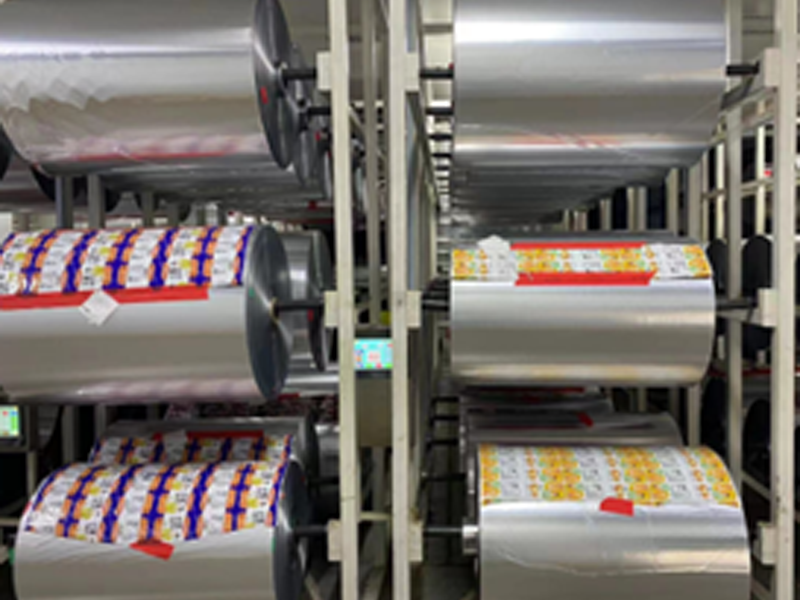
Store film rolls in cool, dry, ventilated areas with protective packaging.
B. Ink/Solvent/Adhesive Selection
Choose low-odor inks, adhesives, and compatible solvents.
Select resins/additives with minimal odor and thermal stability.
Use low-boiling-point solvents with good volatility; avoid ethers or "eco-friendly" hydrocarbons.
Dilute adhesives with high-purity (≥99%) ethyl acetate; avoid coal-derived substitutes.
Opt for low-free-monomer curing agents and avoid overuse.
C. Production Process Control
Minimize ink/adhesive thickness to reduce solvent retention.
Use thermally stable materials and moderate processing temperatures.
Control film production parameters (temperature, speed, corona intensity, ozone extraction).
Use qualified solvents; manage printing viscosity/drying rates (residual solvents <3g total).
Enhance drying capacity (speed, temperature, airflow, winding tension) to prevent excess residues.
Optimize adhesive application; use staged oven heating (e.g., 60-75-85-75°C at 150m/min) with high airflow (>15m/s).
Adjust drying capacity/machine speed in high-humidity conditions.
For air-reduced ovens, boost exhaust and drying capacity to avoid solvent vapor buildup.
Avoid high-temperature/humidity storage/transport to prevent additive degradation.
Maintain clean, ventilated production areas; isolate film rolls from odor sources.
Regularly ventilate curing rooms to prevent odor accumulation.
pre: -
next: -
Zonbon, The Most Professional Flexible Printing and Packaging Converting Machines Manufacturer Around You.
© 2011-2025 Zonbon Printing & Packaging Machinery Co., Ltd. All Rights Reserved