Blogs
We share with you the latest industry trends, try to solve all your questions about flexible packaging machines and printing machines as well. Read our blogs to keep abreast of what’s new in the industry and in Zonbon.
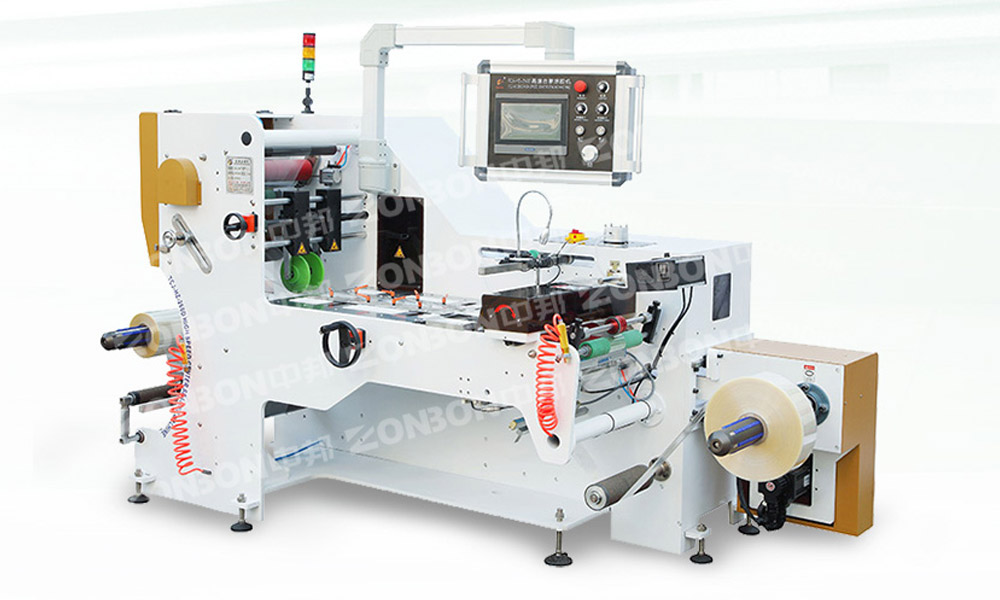
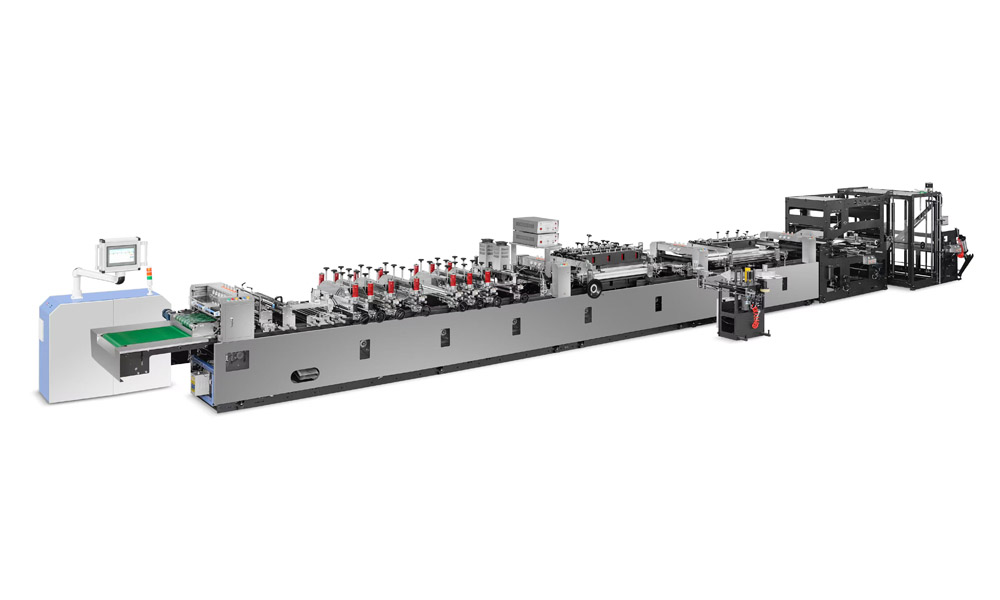
In the modern fields of flexible packaging, new materials, and specialty products, lamination processes are the core step in achieving multifunctional materials. Like a master "tailor," they perfectly "stitch" together films with different properties (such as PET, BOPP, PE, aluminum foil, non-woven fabrics, etc.), creating composite materials with comprehensive performance in barrier properties, weather resistance, mechanical strength, aesthetics, and more. Among the various lamination technologies, dry lamination and solvent-free lamination are the two most widely used and mature mainstream processes.
As a professional supplier in the field of composite material equipment, ZONBON Zhongbang Machinery understands that selecting the right lamination process and mastering its essence are key to determining product quality, production efficiency, and cost-effectiveness. This article will delve into the principles, workflows, advantages, challenges, and application scenarios of these two processes, providing you with a professional operational and application guide.
Dry lamination, also known as dry bonding, is one of the oldest lamination processes. Its core principle involves using solvent-based or water-based adhesives as a "bridge," evaporating the solvent through heating and drying to achieve high-strength bonding between two substrate layers.
Loading and Preparation:
Verify the correct model and ratio of Component A (main agent), Component B (curing agent), and solvent.
Install the first substrate (typically a printed film, such as PET/BOPP) and the second substrate (typically a heat-sealable film, such as PE/CPP) onto the unwinding stands and thread the material.
Adhesive Preparation and Coating:
Mix Components A and B with a diluent solvent (e.g., ethyl acetate) uniformly in the adhesive mixing system according to the precise ratio provided by the adhesive supplier. ZONBON Zhongbang Machinery reminds you: the accuracy of the ratio directly determines the final performance of the adhesive and must be strictly controlled.
The prepared adhesive is transferred evenly to the backside (non-printed side) of the first substrate via a gravure roller coating system. The coating amount is determined by the roller's line count and adhesive concentration.
Drying:
The coated substrate immediately enters a multi-stage oven. Under high-temperature hot air, most of the solvent is evaporated at this stage. The term "dry" originates from this—before lamination, the adhesive layer is already in a "dry" state.
Hot Press Lamination:
The dried substrate and the second substrate meet between a heated steel roller and a rubber pressure roller. Under specific temperature and pressure, the two layers are firmly pressed together.
Cooling and Winding:
The laminated material passes through cooling rollers to quickly set the adhesive, then is smoothly wound into large rolls by the tension control system.
Curing:
This is the post-curing process. The wound semi-finished product must be placed in a curing chamber at a specific temperature (typically 40–50°C) for a set time (24–72 hours) to allow full cross-linking of Components A and B, achieving the final bond strength.
Advantages:
Wide Applicability: Suitable for almost all types of film substrates, especially for products requiring high-temperature or chemical resistance.
Mature Process: Rich operational experience with relatively broad process windows, making it easy to control.
High Initial Tack: Immediate peel strength after lamination facilitates subsequent processes like slitting.
Lower Substrate Surface Requirements: Can achieve good lamination even with films of slightly poorer corona treatment.
Challenges:
Solvent Residue and VOC Emissions: The most significant drawback, involving environmental compliance and workshop safety, requiring expensive solvent recovery or incineration systems.
High Energy Consumption: The drying process consumes substantial thermal energy.
Safety Hazards: Use of flammable and explosive solvents demands strict fire and explosion prevention measures.
Production Costs: High adhesive and solvent costs, with solvent recovery adding to operational expenses.
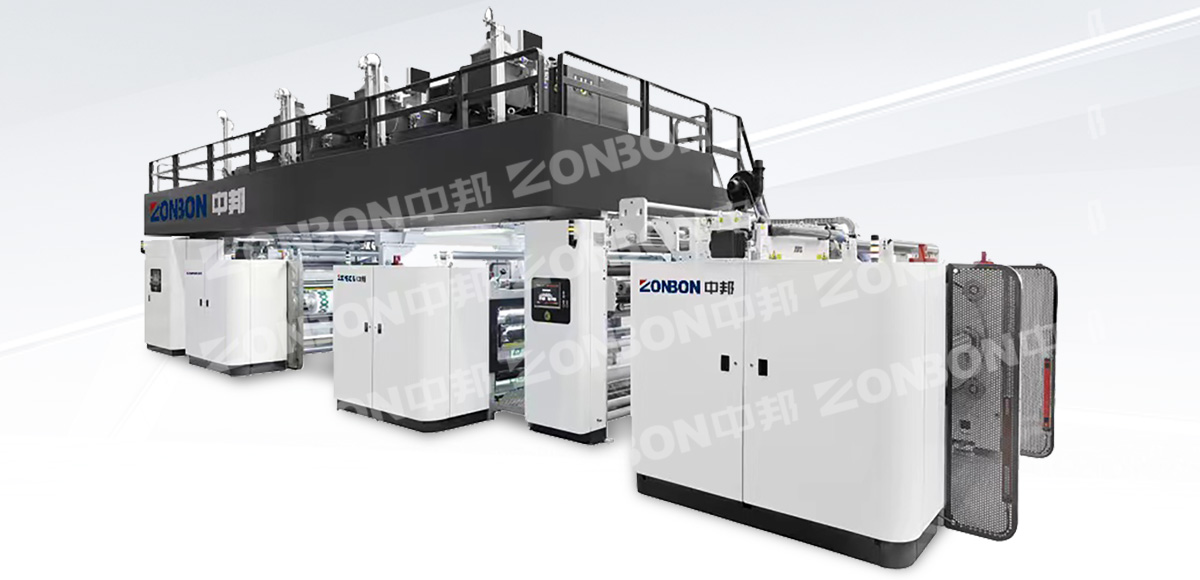
Solvent-free lamination uses 100% solid-content adhesives, eliminating the drying step and representing the green, efficient future of lamination technology. ZONBON Zhongbang Machinery's solvent-free lamination machines are exemplary representatives of this advanced technology.
Loading and Preparation:
Load Components A and B of the adhesive into separate tanks. No solvent is required, making operations safer and more eco-friendly.
Install the two substrates as in dry lamination.
Adhesive Mixing and Coating:
Components A and B are instantly mixed online via precision metering pumps and static mixers at a set ratio (e.g., 100:75), then immediately transferred to the first substrate via a multi-roller coating system (typically four or five rollers).
ZONBON Zhongbang Machinery's mixing and coating system ensures a ratio accuracy of 0.1%, extremely uniform coating, and no solvent volatilization.
Lamination:
The coated first substrate and the second substrate are pressed together directly under a room-temperature or slightly heated lamination roller. No oven is needed due to the absence of solvents.
Winding and Curing:
The laminated material is wound directly. Similar to dry lamination, the wound material must enter a curing chamber for the adhesive to fully cure and reach usable strength, typically requiring shorter curing times.
Advantages:
Eco-Friendly: Zero VOC emissions, completely eliminating solvent residue issues, complying with the strictest environmental regulations.
Energy-Efficient and Productive: Eliminating the drying step reduces energy consumption by about 70–80%, with significantly higher production line speeds.
Safe and Hygienic: No flammable or explosive risks, creating a safer production environment and higher hygiene standards, ideal for food and pharmaceutical packaging.
Cost-Effective: Lower adhesive coating costs per unit area and clear advantages in overall operational costs.
Superior Product Performance: No solvent residue or odors; finished products are softer with better hand feel.
Challenges:
High Equipment and Operational Requirements: Extremely stringent precision requirements for metering, mixing, and coating systems, demanding highly skilled operators.
Strict Substrate Requirements: Substrates must have excellent and stable corona treatment values; otherwise, bond strength is affected.
Low Initial Tack: Almost zero initial tack after lamination requires careful handling before curing to prevent "tunneling."
Application Limitations: For certain special structures (e.g., aluminum foil lamination, high-temperature retort packaging), adhesive systems still have limitations compared to dry lamination, though technology is rapidly advancing.
Choosing between dry lamination and solvent-free lamination is not a simple binary decision but a strategic one based on product requirements, return on investment, environmental regulations, and other factors.
ZONBON Zhongbang Machinery recommends evaluating the following dimensions comprehensively:
Product Positioning:
For green, safe, and efficient food, pharmaceutical, or daily chemical packaging: Prioritize solvent-free lamination.
For special structures (e.g., heavy-duty packaging, aluminum foil lamination, high-temperature retort packaging): Consider dry lamination first or a hybrid process combining solvent-free preliminary lamination with dry lamination.
Regulations and Market:
In regions with strict environmental requirements or clients with stringent solvent residue standards, solvent-free lamination is the inevitable trend.
Investment and Costs:
Solvent-free lamination equipment may have higher initial costs, but long-term savings in energy, materials, and environmental compliance are significant.
Operational Team:
Solvent-free lamination demands higher precision in operations and management, requiring a highly skilled team.
Precision Management: Strictly monitor workshop temperature and humidity, substrate surface tension, adhesive ratios, tension at each stage, and every parameter.
Stable and Reliable Equipment: High-precision, stable, and highly automated lamination machines, like those from ZONBON Zhongbang Machinery, are the foundation of consistent product quality. Our equipment integrates intelligent features like automatic edge alignment, closed-loop tension control, and recipe memory to minimize human error.
Continuous Process Optimization: Maintain close communication with equipment and material suppliers, conducting ongoing process trials and optimizations for different products.
Dry lamination and solvent-free lamination are like the "left and right arms" of the composite materials industry, each with unique strengths and complementary roles. Dry lamination remains irreplaceable in many fields due to its classic and versatile adaptability, while solvent-free lamination leads the industry's future with its green, efficient, and safe characteristics.
pre: -
next: -
Zonbon, The Most Professional Flexible Printing and Packaging Converting Machines Manufacturer Around You.
© 2011-2025 Zonbon Printing & Packaging Machinery Co., Ltd. All Rights Reserved